
In the evolving landscape of modern travel, the concept of the journey has often been overshadowed by the destination. We rush to airports, endure security lines, and wait in crowded terminals just to reach a far-off city. However, there is a growing movement of travelers who are returning to the classic charm of the road. Central to this resurgence is the “Round Trip Automobile Ticket”—a specialized booking concept often associated with ferry crossings, international motor-rail services, and long-distance vehicular transport.
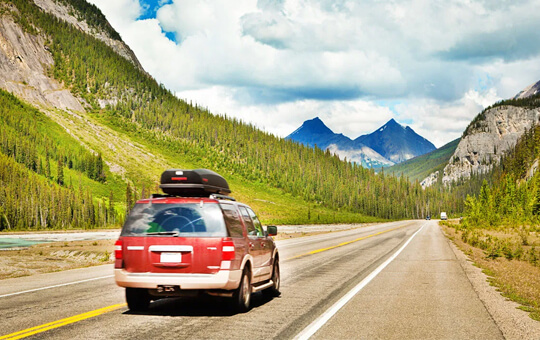
Whether you are crossing the English Channel, navigating the fjords of Norway, or exploring the vast coastlines of Southeast Asia, understanding how to maximize the value of a round-trip ticket for your vehicle is essential. It is not just a logistical necessity; it is the key to a flexible, cost-effective, and deeply personal adventure.
Understanding the Round Trip Automobile Ticket
Essentially, a round-trip automobile ticket is a pre-booked passage that secures space for both a driver and their vehicle for a journey to a destination and back to the point of origin. While it sounds simple, the nuances of these tickets can vary significantly depending on the mode of transport.
For many, this takes the form of a ferry booking. In regions like the Mediterranean or the Baltic Sea, these tickets allow you to drive your own car onto a massive vessel, effectively turning your vehicle into a mobile suitcase. In other regions, such as parts of Europe and North America, “Auto Train” services allow you to load your car onto a rail carriage while you relax in a passenger cabin, combining the speed of the rails with the convenience of having your own car upon arrival.
The Financial Advantage: Why Booking Both Ways Matters
One of the primary reasons to opt for a round-trip ticket over two one-way fares is the significant cost savings. Transport operators—whether they are ferry lines or rail companies—often provide “bundled” pricing.
When you book a round trip, you are providing the carrier with predictable demand. In exchange, they offer lower rates, often reducing the total cost by 15% to 30% compared to individual bookings. Furthermore, round-trip tickets often come with more flexible amendment policies. If you decide to stay two extra days in a hidden coastal village, many round-trip “flexi-fares” allow for date changes at a lower cost than purchasing an entirely new one-way ticket at peak prices.
The Luxury of Familiarity and Convenience
The most significant benefit of traveling with your own automobile is the removal of the “rental car lottery.” When you rent a car at your destination, you are often limited by availability, high insurance premiums, and the unfamiliarity of a different vehicle.
With a round-trip automobile ticket, you are driving your own car—the one you know, the one with the seat adjusted perfectly to your posture, and the one with enough trunk space for all your gear. This is particularly beneficial for families traveling with car seats, strollers, and excessive luggage, or for sports enthusiasts carrying surfboards, bicycles, or camping equipment. You pack once at your front door, and you don’t touch that luggage again until you reach your hotel or campsite.
Planning for the Long Haul: Logistics and Preparation
To ensure a seamless experience with your automobile ticket, preparation is paramount. Long-distance vehicle transport requires more than just showing up at the dock or the station.
- Documentation and Compliance: Ensure you have your original registration documents, proof of insurance that covers the destination country, and, if necessary, an International Driving Permit. Some round-trip tickets across borders may require a “Carnet de Passages en Douane” in specific regions, which acts as a temporary importation document for your car.
- Vehicle Dimensions: When booking your ticket, be incredibly precise about your vehicle’s dimensions. The addition of a roof box or a bike rack can move your car into a higher price bracket or, worse, make it too tall for certain decks on a ferry or train.
- Arrival Times: Unlike a standard car journey, vehicle transport services have strict “check-in” times. For large ferries, you may need to be in the staging area two hours before departure. A round-trip ticket usually outlines these requirements clearly for both legs of the journey—pay close attention to the return leg, as local traffic patterns in a foreign city can be unpredictable.
Environmental and Stress Considerations
In 2026, the environmental impact of travel is a major consideration for many. While driving long distances has its footprint, using a round-trip automobile ticket for a ferry or train segment can actually be more efficient than driving the entire way. By putting your car on a train or ship, you reduce the wear and tear on your vehicle and decrease the carbon emissions that would have been generated by idling in highway traffic for hundreds of miles.
From a mental health perspective, the “middle” of the trip becomes a rest period. Instead of white-knuckling a steering wheel for ten hours, you spend that time on a ferry deck watching the ocean or in a train lounge meeting other travelers. You arrive at your destination refreshed and ready to drive the “scenic” parts of your route, rather than being exhausted by the “utilitarian” highways.
Conclusion
The round-trip automobile ticket is more than just a piece of paper or a digital QR code; it is a passport to a different kind of travel. it represents the perfect middle ground between the structure of organized transport and the raw freedom of the open road.
By securing your return passage, you gain financial savings and peace of mind, allowing you to focus on what truly matters: the landscapes outside your window and the memories being made within the four doors of your own car. As we look for more meaningful ways to explore the world in 2026, taking your own vehicle along for the ride remains one of the most rewarding ways to travel.